


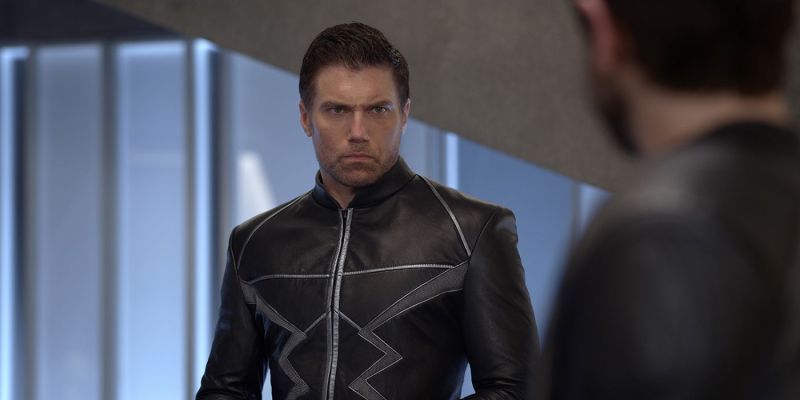


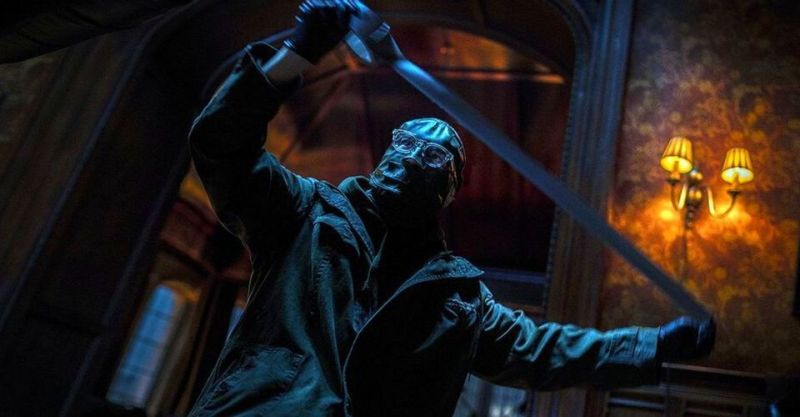

Loki besetzt Game of Thrones-Schauspielerin Lysa Arryn als neuen Bösewicht
Lino Facioli ist ein italienischer Schauspieler, der vor allem für seine Rolle als Robin Arryn in der HBO-Serie Game of Thrones bekannt ist. Er hat auch in Filmen wie The Kid Who Would Be King und The Little Stranger mitgewirkt. Facioli ist kein Unbekannter im Marvel Cinematic Universe, da er bereits als kleiner Junge in Avengers: Age of Ultron aufgetreten ist.
Weiterlesen
Die gruseligsten Filme, die jetzt auf Netflix gestreamt werden (Februar 2023)
The Conjuring ist ein klassischer Horrorfilm, der die Geschichte einer Familie verfolgt, die in ein Spukhaus zieht. Der Film basiert auf der wahren Geschichte der paranormalen Ermittler Ed und Lorraine Warren, die hinzugezogen wurden, um die seltsamen Vorfälle im Haus zu untersuchen. The Conjuring ist ein erschreckender Film, der Sie nervös machen wird.
Weiterlesen
Creed III Trailer entfesselt Viktor Drago und Damians Zorn
Das Creed-Franchise ist seit seiner Gründung im Jahr 2015 ein Fanfavorit. Die Geschichte folgt Adonis Creed, dem Sohn von Apollo Creed, auf seiner Reise, um ein Weltklasse-Boxer zu werden. In den ersten beiden Filmen tritt Adonis gegen Gegner wie Danny „Stuntman“ Wheeler und „Pretty“ Ricky Conlan an. In Creed III wird sich Adonis seiner bisher härtesten Herausforderung stellen: Viktor Drago, dem Sohn von Ivan Drago, dem Mann, der Apollo Creed im Ring getötet hat.
Weiterlesen
Streaming-Abonnentenzahlen sind nicht mehr der einzige Erfolgsmaßstab
Zu den neuen Metriken, die zur Erfolgsmessung beim Streaming verwendet werden, gehören Engagement, Bindung und Monetarisierung. Engagement misst, wie oft Zuschauer Inhalte ansehen, Retention misst, wie lange Zuschauer Inhalte ansehen, und Monetarisierung misst, wie viel Geld Zuschauer für Inhalte ausgeben. Diese Metriken werden verwendet, um den Erfolg von Streaming-Diensten sowie einzelnen Inhalten zu messen.
Weiterlesen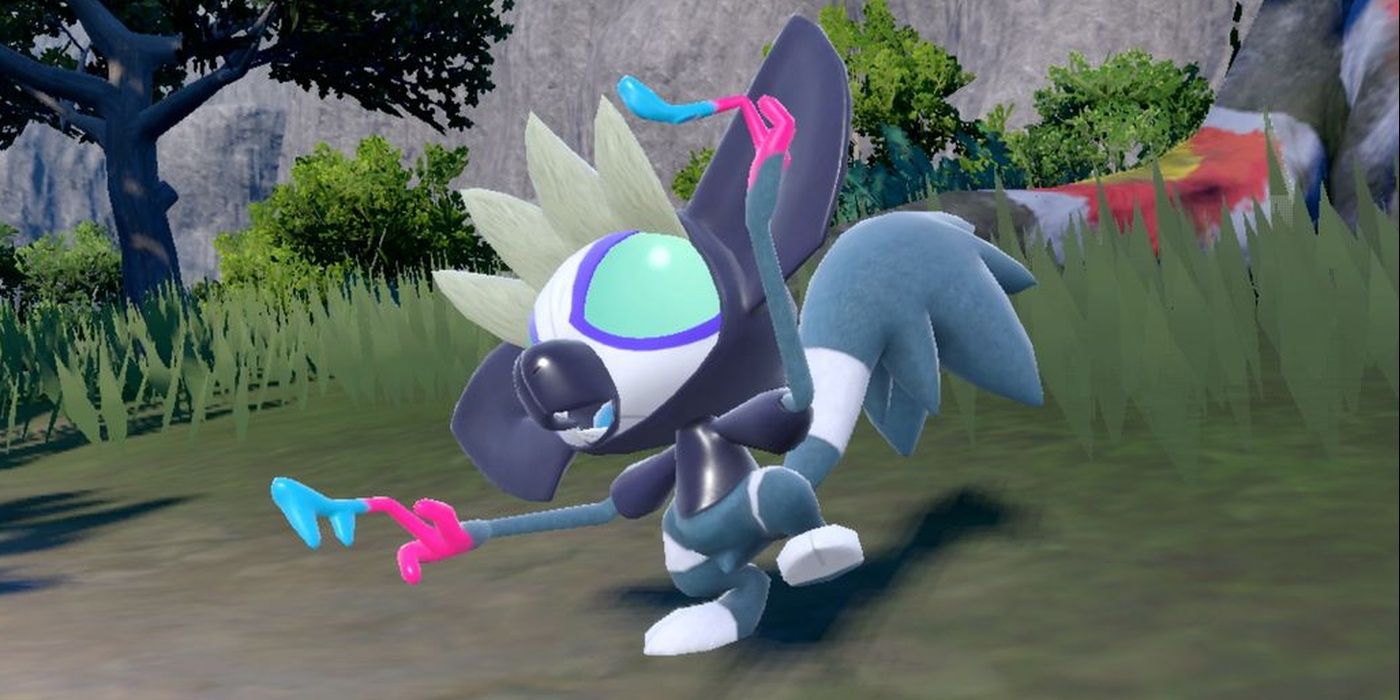
Pokémon Violet and Scarlet stellt Graffiti-Kreatur Grafaiai vor
Grafaiai ist eine Kreatur im Graffiti-Stil, die in den Spielen Pokémon Violet und Scarlet zu finden ist. Es ist ein Elektro/Dunkel-Pokémon vom Typ Dual und das erste seiner Art im Franchise. Es ist eine kleine, zweibeinige Kreatur mit einem runden Körper und einem großen Kopf. Sein Körper ist mit bunten Markierungen im Graffiti-Stil bedeckt, und er hat zwei große Augen und einen breiten Mund. Es hat zwei lange Arme mit dreifingrigen Händen und seine Füße sind groß und flach.
Weiterlesen
23 großartige TV-Shows, die zu früh endeten
Firefly war ein Sci-Fi-Western von Joss Whedon, der 2002 auf Fox ausgestrahlt wurde. Trotz seiner kurzen Laufzeit erlangte die Show eine Kult-Anhängerschaft und wird noch heute von den Fans geliebt. Die Show wurde nach nur 11 Folgen wegen niedriger Einschaltquoten abgesetzt.
WeiterlesenLetztes Ding
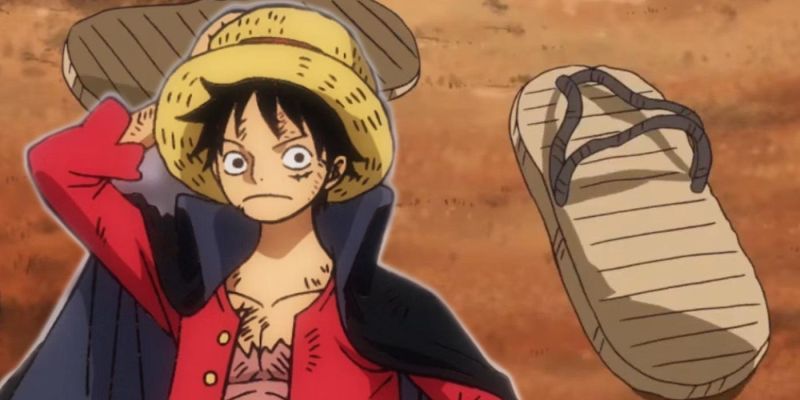
Warum Luffy in der Live-Action von One Piece Schuhe trägt, keine Sandalen
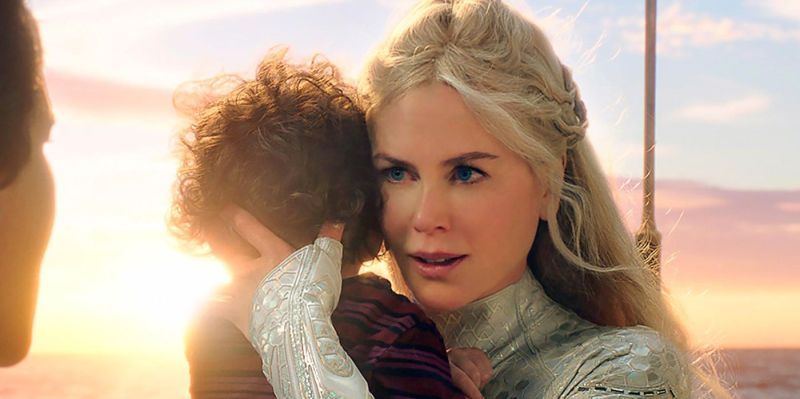
Nicole Kidman als Atlanna in Aquaman: Wie James Wan sie überzeugte

Anime-Adaptionen von Webcomics 4 Wochen Liebhaber, Beobachtung von Elena Evoy und mehr
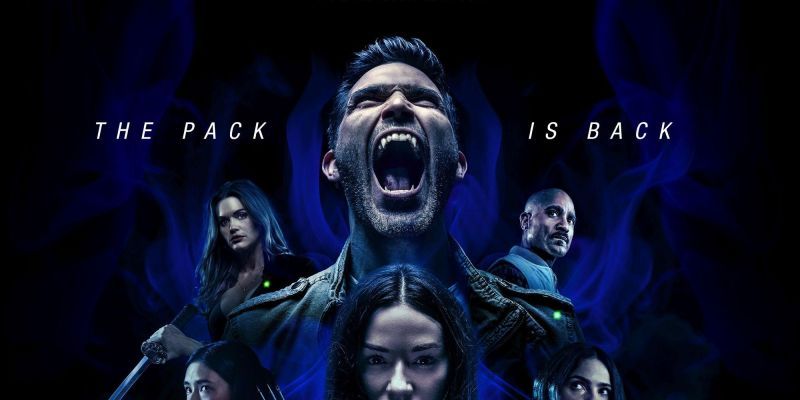
Teen Wolf: The Movie debütiert mit passendem Fanged-Poster

Apple verhandelt Berichten zufolge über den Kauf von Electronic Arts

Diablo IV: Lilith Rises im ersten Trailer
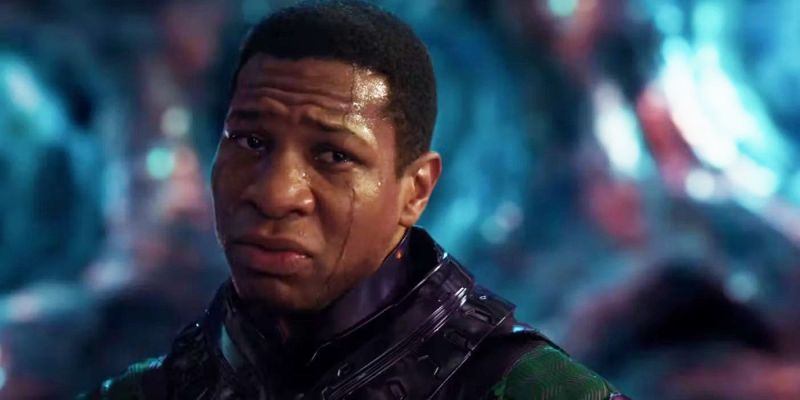
Das Kang-Cosplay eines jungen Ant-Man-Fans raubt Jonathan Majors den Atem

Spider-Man: Homecoming 2 – Neuer Bösewicht und Casting-Details
Streaming-Abonnentenzahlen sind nicht mehr der einzige Erfolgsmaßstab

Untersuchung der Möglichkeit von Doctor Who-Spinoffs mit Showrunner Russell T. Davies

Pokémon Legends: Arceus Leak bestätigt möglicherweise weitere neue Entwicklungen und regionale Formen